If you were an artist today and you wanted to flex, you would make some visual illusion and post it on Instagram and TikTok. But what if you were a Dutch artist in the 17th century? How would flex your godly art skills and mog the no-talent plebs?
By making a Kunstkamer.
Like this one (Cognoscenti in a Room hung with Pictures), made by Willem van Haecht in around 1620, which it shows art connoisseurs (cognoscenti) discussing and examining an art collection.
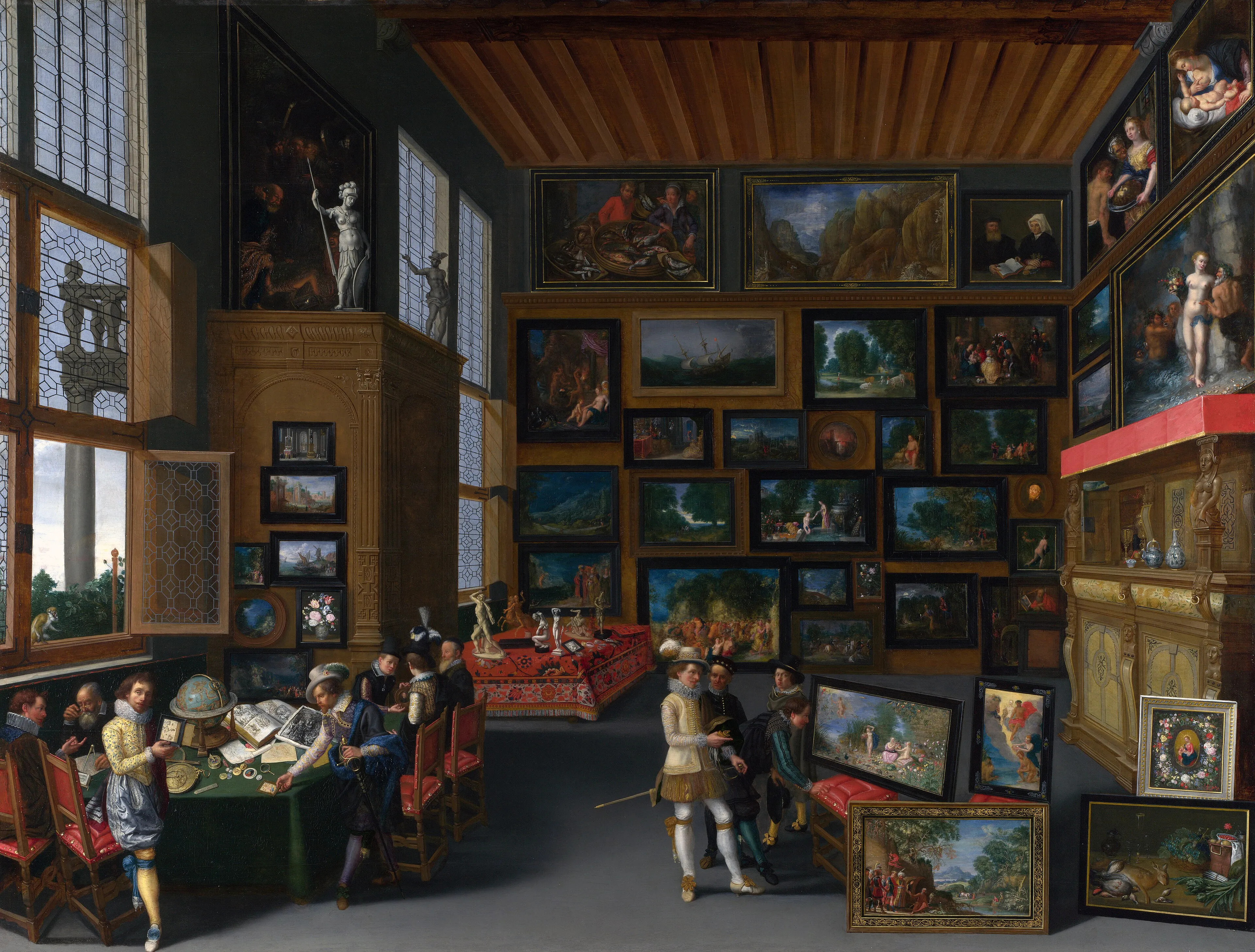
A Kunstkamer (cabinet of art or cabinet of curiosities) is a genre or style of artwork that got popularized in Antwerp (Belgium) and the Southern Netherlands between roughly 1600 and 1650. These things were truly technical masterpieces because the paintings would contain dozens of other tiny paintings. And they weren’t just random doodles. If you zoom in, you’ll see that many of the tiny paintings inside are miniature reproductions of real works by famous Renaissance and Baroque artists. The level of detail is extraordinary. You can literally see the brushwork within the tiny reproductions.
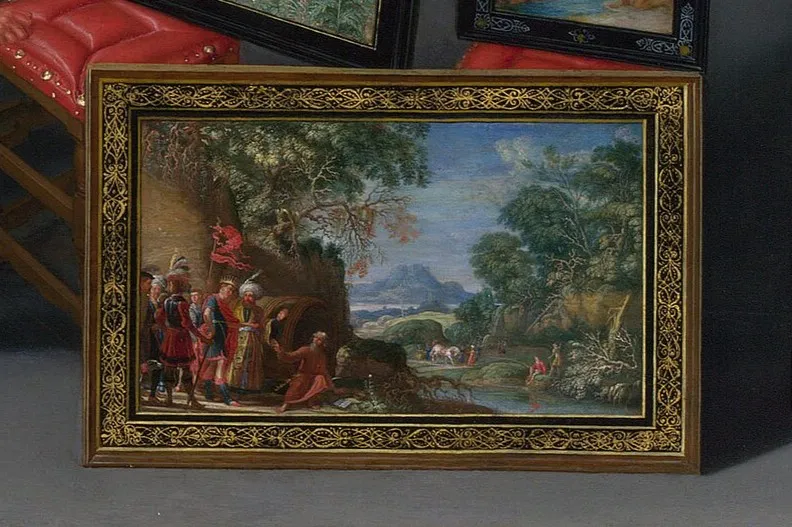
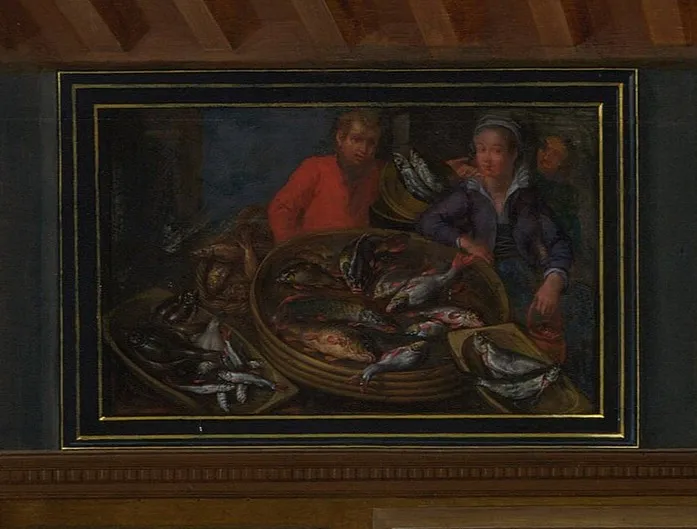
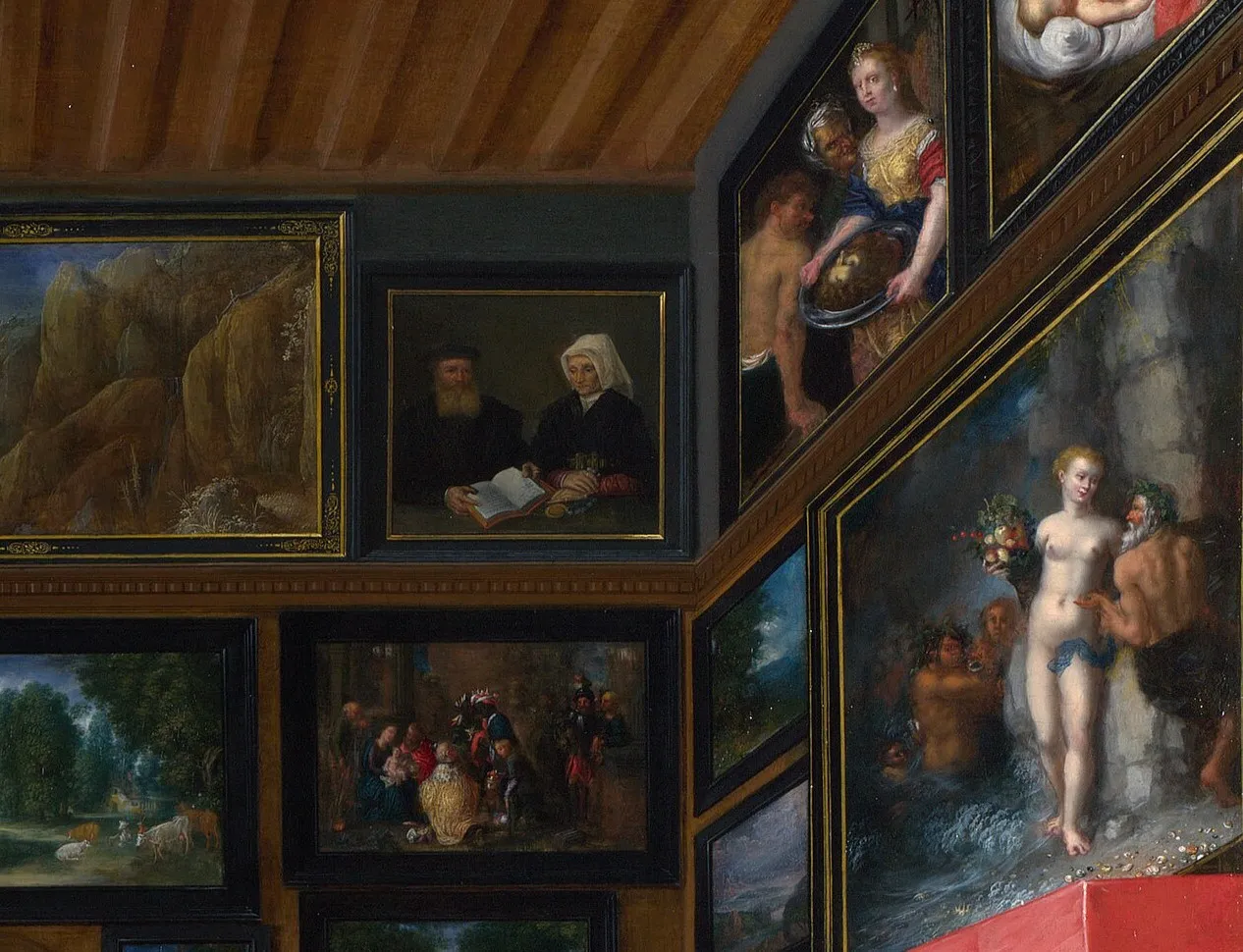
The kunstkamer paintings were often commissioned by very wealthy collectors and they were used to showcase their art collections and taste. Kind of like how I make lists on this website to showcase mine. You wandered through ideas by walking from painting to painting and would see how all the art on display was connected through artists, patrons, history. You could literally think of them as 17th century Tumblr walls. You would not only get to know the taste of the person who owned the collection but also understand them a little bit as a person.
You should google Flemish gallery paintings or kunstkamer paintings to find more works in this style.